

The Complete Travel Guide to North Georgia's Blue Ridge Mountains

Updated: Apr 12

A travel guide is your most practical planning tool before any trip: it combines destination-specific logistics, accommodation options, activity recommendations, and local knowledge into one resource. For North Georgia's Blue Ridge Mountain region, centered on Morganton, GA, the right travel guide cuts through tourist-brochure noise and delivers the specific details that make a trip genuinely memorable, from the best trailheads to where to eat after a long day on the Appalachian Trail approach.
North Georgia's Blue Ridge Mountain corridor, including Morganton and Blue Ridge, GA, draws an estimated 25,000 annual visitors to Morganton alone, according to Staystra (January 2026) data.
The best travel guides combine practical logistics (drive times, pricing, opening hours) with opinionated local recommendations that go beyond what TripAdvisor surfaces.
Springer Mountain, the southern terminus of the Appalachian Trail, is approximately 16.8 miles from Morganton, making North Georgia one of the most accessible entry points to the AT on the East Coast.
Peak travel seasons in Morganton are summer and fall foliage weeks; winter sees the lowest demand, meaning better availability and quieter trails.
The Soaring Eagle GA cabin sits at nearly 2,700 feet in Morganton, 14.2 miles from downtown Blue Ridge, and serves as an ideal base for exploring this entire region.
A good travel guide addresses the questions most visitors never think to ask: road conditions in winter, which trailhead has parking, and which restaurants are worth the drive from the mountain.
Table of Contents
What Is a Travel Guide, and How Do You Use One Effectively?
A travel guide is a curated resource, whether printed, digital, or app-based, that compiles destination information including transportation, lodging, attractions, dining, culture, and practical logistics to help travelers plan and navigate an unfamiliar place. The best guides go further by offering opinionated recommendations backed by in-person research, not just aggregated listings pulled from a database.
The key word there is "opinionated." A guide that tells you Paris has many fine restaurants is useless. A guide that tells you to take the Metro Line 6 from Montparnasse to Bir-Hakeim, eat a set lunch for around $25 at a zinc-topped bistro on a side street, and skip the overpriced brasseries facing the Eiffel Tower directly, that's a guide doing its job. Rick Steves built his entire brand around this principle: his guidebooks, which currently retail for around $25, are specifically designed to be "$25 tools for $4,000 experiences," as his team has described them.
Using a travel guide effectively means reading it before you book, not after you land. The planning phase is where guides save you the most money and frustration. Use the lodging sections to understand which neighborhoods or areas suit your style, use the practical information pages to understand visa requirements, currency, and tipping customs, and use the recommended itineraries as frameworks you can adapt, not schedules you must follow.
At The Soaring Eagle GA, we've watched guests arrive at the Blue Ridge Mountains without any plan beyond a cabin booking and then spend their first afternoon driving in circles wondering what's nearby. This guide exists to fix that. Whether you're researching traditional guidebook series, comparing digital versus print formats, or looking for a specific North Georgia itinerary, the sections below cover each dimension with the specifics that actually matter. For more Travel Guide resources covering the Blue Ridge region, our blog has you covered.
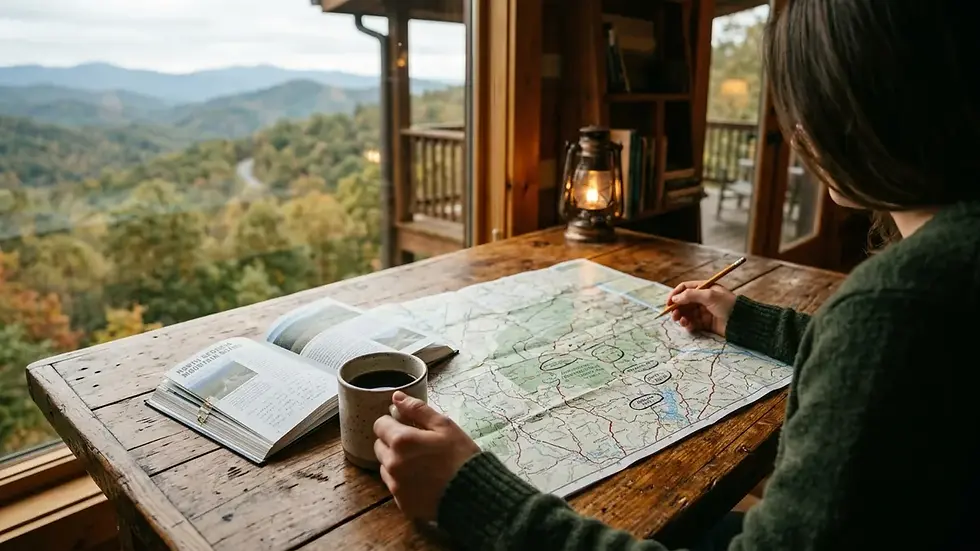
What Is the Most Popular Travel Guide Series in 2026?
Lonely Planet is widely regarded as the most globally recognized travel guide series, covering destinations across Europe, Asia, Africa, and the Americas with consistent depth and breadth. Rick Steves' Europe series, however, consistently outperforms Lonely Planet in practical usability ratings among North American travelers visiting Europe, largely because Steves conducts in-person research every year during peak tourist season, April through September, to match the conditions his readers will actually encounter.
For Europe specifically, the ranking depends on your travel style. Steves' guides are the most practical for budget-conscious independent travelers. Frommer's Guides, founded by Arthur Frommer and often called "the granddaddy of travel publishing," skews toward value-focused and older travelers who want hotel recommendations alongside sightseeing. Fodor's Travel has been producing European guides for American readers since the 1930s and tends toward a more polished, service-oriented style.
For visual learners, DK Eyewitness Travel guides stand apart with their cutaway cross-sections of major castles and churches. Steves himself has noted he doesn't travel with them due to "scant written information," but for architecture enthusiasts, the illustrations are genuinely useful. Rough Guides is a British series with stronger historical and cultural depth than most American-published guides, though its hotel listings are weaker by comparison.
For off-the-beaten-track destinations, Bradt Travel Guides has no real competitor. The British publisher specializes in destinations that major series ignore entirely. And for pure cultural and architectural depth, Blue Guides takes a scholarly approach that Steves credits with enabling him to explore Greece without ever needing a local guide, saying the Blue Guide to Greece contained everything he needed to understand what he was looking at.
In the digital space, the World Travel Guide, published by Columbus Travel Media, operates as a broad digital content hub available in English, German, and Spanish. It covers cities, airports, cruise ports, ski resorts, and beach destinations. The strength is breadth; you can look up Eilat, Israel or Ulaanbaatar, Mongolia alongside Paris or Tokyo. The weakness is the same depth problem that affects any platform prioritizing volume: destination-specific advice tends to be thinner than what a dedicated series offers.
How Much Does a Travel Guide Cost?
Printed travel guidebooks typically cost between $20 and $35 per title, with most major series including Rick Steves, Lonely Planet, and Fodor's priced around $25. Digital editions usually run $10 to $20 on platforms like Kindle or the publisher's own app. Free digital options exist through services like Wikivoyage, though the depth and reliability vary considerably.
The Rick Steves Guidebooks Store sells individual country and city guides in the $25 range, with bundle discounts available for multi-country trips. For a two-week Europe trip covering three countries, you might spend $50 to $75 on printed guides, which is genuinely negligible against a total trip cost of several thousand dollars.
Most guidebook series update their titles every three to four years. Only a handful of titles receive annual in-person updates; Rick Steves is among the few authors who updates his guides with fresh research every year. This matters enormously. A restaurant listed as the "best in the neighborhood" in a guide published four years ago may have closed, changed ownership, or declined in quality. Always check the publication date before trusting specific recommendations, particularly for dining and accommodations.
App-based travel guides offer a different cost model. Michelin's Travel Guide portal provides digital access to both the Green Guides (destination and cultural travel) and the Red Guides (the authoritative hotel and restaurant recommendations that Michelin describes as "the hotel and restaurant connoisseur's bibles"). The Michelin Red Guide in particular sets a global benchmark for restaurant evaluation that no free alternative approaches.
For domestic U.S. travel and specifically for the Blue Ridge Mountains region, free digital resources from state tourism boards like Explore Georgia (exploregeorgia.org) provide solid baseline information, but they lack the honesty and editorial opinion that makes a good travel guide actually useful. Official tourism sites will never tell you a restaurant is overpriced or a trail is overcrowded on weekends. A good guide will. For curated Things To Do recommendations in the Blue Ridge area that go beyond the official tourism line, our regional guides offer honest, opinionated advice.
How Do You Choose the Right Travel Guide for Your Trip?
Choosing the right travel guide comes down to matching the guide's editorial focus to your travel style and destination type. Budget travelers benefit most from guides with detailed cost breakdowns and hostel recommendations. Luxury travelers get more value from Michelin-oriented resources focused on fine dining and high-end hotels. Cultural enthusiasts should prioritize Blue Guides or Rough Guides for their historical depth. Adventure travelers do best with Bradt for obscure destinations or AllTrails combined with a regional guide for hiking-focused trips.
Here's a comparison table to make this practical:
Guide Series | Best For | Update Frequency | Typical Price | Digital Available |
Rick Steves | Budget-conscious Europe travelers | Annual (in-person) | ~$25 | Yes |
Lonely Planet | Global coverage, all budgets | Every 2-4 years | $20-$30 | Yes |
Frommer's Guides | Value travelers, older travelers | Every 2-3 years | $20-$28 | Yes |
Fodor's Travel | American travelers, service focus | Every 2-3 years | $22-$30 | Yes |
DK Eyewitness | Visual learners, architecture | Every 3-4 years | $25-$35 | Yes |
Rough Guides | Cultural depth, historical context | Every 3-4 years | $20-$28 | Yes |
Michelin Green/Red | Luxury dining, cultural sightseeing | Annual (Red Guide) | $20-$35 | Yes |
Bradt Travel Guides | Off-the-beaten-path destinations | Every 3-5 years | $22-$30 | Partial |
Blue Guides | Art, history, architecture scholars | Every 5+ years | $25-$40 | Partial |
One strategy that experienced travelers use but almost no published guide suggests: combining series for a single trip. Use Blue Guides for cultural background and architectural context at major sites, then switch to a Michelin Red Guide when you're deciding where to eat dinner. Rick Steves covers the logistics and practical day-to-day navigation. Each series does something specific well; treating them as complements rather than competitors gives you a more complete picture than any single guide can offer.
What Does a Travel Guide to North Georgia's Blue Ridge Mountains Actually Cover?
A travel guide to North Georgia's Blue Ridge Mountains should cover four core areas: access and transportation, accommodation by category and location, outdoor recreation with trail-specific detail, and dining with honest recommendations rather than comprehensive lists. The region anchored by Morganton, GA and Blue Ridge, GA offers a genuinely different experience from the more tourist-heavy Smoky Mountains corridor, and the best guides acknowledge that difference directly.
Access is straightforward. Atlanta Hartsfield-Jackson International Airport sits approximately 48.7 miles from Morganton, a drive that typically runs 65 minutes outside of Atlanta rush hour. From Nashville or Charlotte, the drive is roughly three to four hours. The region has no commercial airports or passenger rail; you need a car, full stop. In winter, four-wheel drive is worth having for the mountain roads approaching higher-elevation cabins.
The outdoor recreation landscape here is genuinely exceptional. Amicalola Falls State Park, approximately 14.2 miles from Morganton, serves as the approach trailhead for the Springer Mountain summit and the southern terminus of the Appalachian Trail. The 8.5-mile approach trail from Amicalola to Springer is one of the most rewarding single-day hikes in Georgia, climbing through hardwood forest with views expanding as you ascend. Sawnee Mountain Preserve, about 7.3 miles from central Morganton, offers shorter trails better suited to beginners or families with young children. For a ranked breakdown of trails by difficulty and views, see our guide to Best Blue Ridge Mountain Hikes For Every Skill Level Ranked By Breathtaking Views. For waterfall enthusiasts, our Fall Branch Falls Blue Ridge: Complete Hiker's Guide (2026) covers one of the region's most rewarding waterfall hikes with trail-specific logistics.
Lake Arrowhead is 2.1 miles from The Soaring Eagle GA cabin, about five minutes by car, making it an easy stop for a morning kayak or afternoon swim. The Chestatee River Recreation Area at 4.2 miles out (roughly ten minutes) is a strong choice for tubing and fishing. For water activities on the larger reservoir, see the Lake Blue Ridge Activities - Blue Ridge Mountains guide for access points and seasonal information. For a cultural addition to an outdoor-focused trip, Dahlonega Town Square sits about 25 minutes south and offers Gold Rush history alongside a solid collection of tasting rooms on the Georgia Wine Highway. For everything you need to know about the area's lake recreation, our guide to Everything You Need To Know About Blue Ridge Lake In Ga covers water activities, access points, and seasonal conditions in detail. For boaters planning time on the water, TVA Boating Information and Safety provides current regulations and safety guidelines for the reservoir.
For a deeper look at what to do once you arrive, the things to do in Morganton, Georgia guide covers local activities with the kind of specific, honest detail that official tourism resources typically skip. For a complete overview of the region's top attractions, our Best Things to Do Near Morganton, GA: The Complete 2026 Guide covers everything from waterfall hikes to wine trails. For a curated list of Blue Ridge Hidden Gems Locals Actually Keep to Themselves, our local insider guide surfaces the spots that rarely appear in standard travel resources.

What Are the Best Things to Do Near Morganton, GA?
The best activities near Morganton, GA fall into three categories: hiking and outdoor adventure, water recreation, and day trips to nearby towns. The honest answer is that this area rewards visitors who plan ahead, because the most rewarding experiences require an early start to beat weekend crowds, and several key trailheads have limited parking that fills by 9 AM on fall weekends. Browse our full Outdoor Activities category for trail guides, seasonal tips, and activity recommendations across the region.
For hiking, Amicalola Falls State Park is the priority. The falls themselves, at 729 feet, are among the tallest cascading waterfalls in the eastern United States. The visitor center opens at 8 AM; arrive by then on fall weekends to guarantee parking. If you're fit and have a full day, the approach trail to Springer Mountain delivers views at the summit that are worth every step of the elevation gain. Springer Mountain, 16.8 miles from Morganton, sits at the very start of the 2,190-mile Appalachian Trail, so even non-hikers find the cultural weight of standing there genuinely moving. For a comprehensive breakdown of outdoor pursuits across all skill levels, The Complete Guide to Outdoor Activities for Every Skill Level covers everything from beginner-friendly walks to challenging summit hikes in the region.
Water recreation centers on Lake Arrowhead and the Chestatee River. Lake Arrowhead is best for calm-water kayaking, paddleboarding, and swimming. The Chestatee sees more action from anglers targeting trout and from summer tubers. Both are accessible within ten minutes of Morganton's center. If fishing is a priority, our guide to the best fishing cabin options in North Georgia covers the top spots for trout anglers in the region. Visitors interested in toccoa river cabin rentals will find excellent waterfront options within easy reach of prime fishing waters. Our full guide to toccoa river cabin rentals covers the best riverside properties with detailed access and amenity information.
For a change of pace, Dahlonega Town Square is the region's most walkable destination. The Gold Museum on the square is small but worth thirty minutes. The tasting rooms along the Georgia Wine Highway, several of which cluster within a few miles of Dahlonega, make for an afternoon that feels surprisingly European given the mountain backdrop. Serenberry Vineyards and Winery is one of the local options worth checking for current hours and tasting availability. For guided wine experiences in the region, Water to Wine Tours offers organized tastings across North Georgia's wine country.
Dining in Morganton proper is limited but specific. Cucina Rustica is the most prominent fine dining option in the area, an Italian restaurant that consistently draws visitors from Blue Ridge and beyond. Reservations are strongly recommended, especially on weekends; the restaurant books through Resy. For a more casual pizza option, La Pizzeria at Cucina Rustica offers a relaxed alternative at the same location. If you want something more casual before or after a hike, Nomad Market of Morganton serves breakfast and lunch and doubles as a market where you can stock up on supplies. For local fish, The Cove Fish Camp is open Thursday through Monday and is a genuine local favorite, not a tourist trap. For a local distillery and winery experience in Morganton, Kerith House is one of only a handful of food and drink establishments in the area worth a visit. For a broader dining perspective, the Morganton restaurants guide covers 15 options with honest assessments of which ones are worth the drive and which ones coast on location. You can also explore our dedicated Dining Food category for current restaurant picks near the cabin, or read our complete Dining & Food in Morganton GA: The Complete Local Guide for a full rundown of local options. For additional recommendations on where to eat in the area, our guide to Restaurants And Dining In Morganton Ga covers the full dining landscape with honest assessments.
Where Should You Stay for a Blue Ridge Mountains Trip?
The best accommodation base for a Blue Ridge Mountains trip is a mountain cabin rather than a hotel, primarily because the region's defining experiences, sunrise views, evening firepits, post-hike hot tub soaks, are cabin experiences that no hotel room replicates. Morganton offers a quieter alternative to the more tourist-trafficked Blue Ridge town center, with most cabins at higher elevations that deliver the panoramic views visitors come for. For a curated selection of the top properties in the area, see our roundup of 15 Enchanting Cabins In Blue Ridge Mountains Ga That Feel Pure Magic. For an honest local perspective on choosing the right property, A Local's Take on Cabin Rentals Blue Ridge Mountains GA cuts through the marketing and delivers the practical details that matter most.
According to AirDNA data, Morganton's short-term rental market carries an average daily rate of $319.90 in 2026, up 3% year-over-year, with an occupancy rate of 41%. The market is composed of 98% entire-home listings, meaning most travelers book the full cabin rather than a private room. Two-bedroom cabins like Soaring Eagle GA represent 20% of the inventory, sitting between the most common three-bedroom category (37%) and smaller one-bedroom options (16%). For more options across price points, our guide to Blue Ridge Mountain Vacation Rentals That Never Disappoint covers properties that consistently earn strong reviews from guests. Travelers looking for the best available dates can Book the Soaring Eagle GA cabin directly to secure the lowest rate and avoid third-party fees. For more information on Where To Stay In Morganton Ga 1, our dedicated guide covers every lodging category in the immediate area.
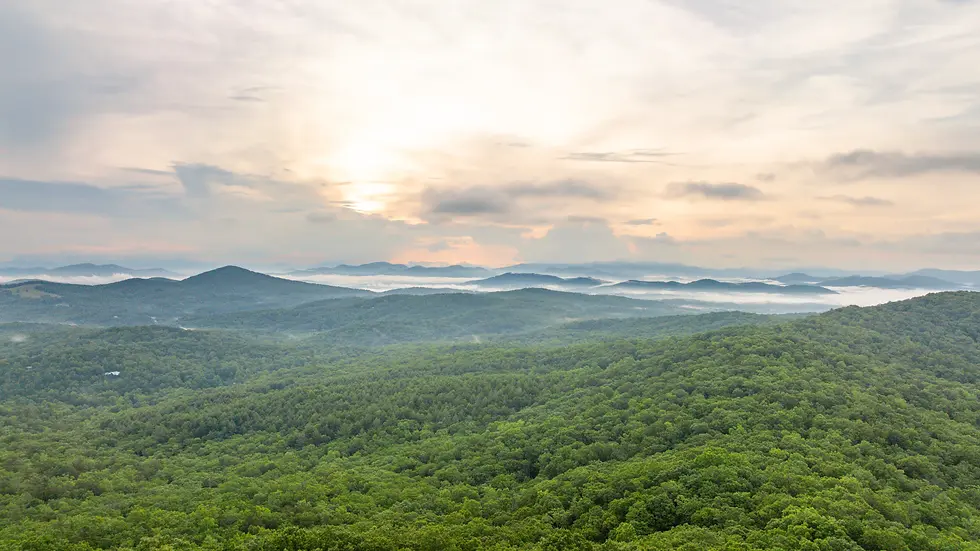
Soaring Eagle GA is a 2-bedroom, 2.5-bath cabin perched at nearly 2,700 feet in Morganton with panoramic Blue Ridge Mountain views that stretch across multiple ridgelines on a clear morning. The wraparound deck is where most guests spend their first hour after arriving, and honestly it makes sense: the views from that elevation recalibrate your sense of scale in a way that photographs don't quite capture. Two king beds accommodate couples or small families of up to four guests, and the cabin is genuinely pet-friendly with no breed or size restrictions noted. For a full look at The Space, including photos, amenities, and layout details, visit the cabin's dedicated page.
The hot tub sits at the corner of the deck where the mountain view is widest. At night, with minimal light pollution at 2,700 feet, the Milky Way is visible on clear evenings. As a Cabin With Hot Tub Blue Ridge Mountains option, Soaring Eagle GA delivers one of the most memorable soak experiences in the region, with ridgeline views stretching to the horizon from the deck. For a complete guide to Mountain Cabin Hot Tub Your Complete Guide To Alpine Luxury, including what to look for in a high-elevation hot tub property, our alpine luxury guide covers every detail. For a full seasonal breakdown of the best times to enjoy a Blue Ridge Cabin Rentals With Hot Tub Peak Season Guide 2026, our guide covers demand patterns and booking windows across the full calendar year. The Wood Burning Fireplace in the main living area is fully functional, not decorative: stack a few logs, let the crackle fill the open-concept living space, and the mood shifts immediately. There's also an electric fireplace in the bedroom for mornings when you want warmth without the effort of building a fire.
Two nostalgic arcade games make the cabin more versatile for families with kids or couples who want a rainy-day option that doesn't require driving anywhere. Fast, reliable WiFi makes it workable for remote workers who want to combine a few productive mornings with afternoon hikes. The cabin is 14.2 miles from downtown Blue Ridge, GA, about a 25-to-30-minute drive, putting Blue Ridge's dining and shopping within easy reach while keeping you in genuinely quieter mountain surroundings. For additional inspiration on Your Perfect Blue Ridge Cabin Rental Awaits, our guide walks through what to look for when choosing a property in this region. Travelers who love waking up to sweeping views will find our guide to Blue Ridge Cabin Rentals Wake Up To Mountain Views And Starlit Nights an inspiring look at what the best elevated properties deliver. For a broader look at Blue Ridge Cabin options across the region, our dedicated category covers properties from cozy one-bedroom retreats to larger group rentals.
For a broader look at accommodation options across the region, the complete guide to where to stay in the Blue Ridge Mountains covers the full range from budget to luxury with honest assessments of each area's trade-offs. You can also explore our Where To Stay category for additional property comparisons and neighborhood breakdowns across the region. For a focused look at lodging options in the immediate area, our guide to Where To Stay In Morganton Ga covers the full range of cabin and rental options with honest trade-off assessments. Travelers searching for Airbnb Morganton Ga listings will find our category resource useful for comparing the top-rated properties in the immediate area.
Digital vs. Print Travel Guides: Which Format Works Better?
Digital travel guides are more practical for in-destination use because they are searchable, linkable, and always in your pocket. Printed guides are more practical for pre-trip planning because they are easier to annotate, flip between, and read without a screen. The most experienced travelers use both: a printed guide for planning and orientation before departure, and a combination of apps and saved digital resources for on-the-ground navigation.
The case for print is stronger than most digital advocates acknowledge. A printed guidebook with highlighted passages and sticky-note bookmarks becomes a personalized trip document that's faster to consult than any app when you're standing on a street corner deciding where to turn. Physical books also don't run out of battery. Rick Steves has noted in his travel writing that he consistently uses printed guides himself despite having a digital presence, partly for the annotation flexibility.
The case for digital is equally real. App-based guides like those from Lonely Planet update more frequently than their print counterparts. Google Travel and TripAdvisor aggregate real-time review data that no printed guide can match. Wikivoyage, maintained by volunteers, offers surprising depth for obscure destinations and is completely free. For the North Georgia mountains specifically, the combination of the AllTrails app (for trail-specific data including recent conditions and photos) and a solid regional guide covers most practical needs.
What neither format handles well: accessibility. Travelers with mobility limitations, visual impairments, or other accessibility needs are poorly served by both traditional printed guides and most mainstream digital platforms. This is a genuine gap in travel guide publishing. Before any trip, the most reliable accessibility resource is direct contact with individual venues, parks, and accommodations rather than guide book descriptions, which are often written without accessibility in mind.
One practical combination worth considering for a North Georgia trip: use the Blue Ridge Mountain activities guide for activity planning, AllTrails for trail-specific logistics, and individual restaurant websites for current menus and hours. This three-source approach covers most planning needs without relying on a single guide that may be months or years behind on specific details. For timing your visit to align with the best conditions, the guide on When To Visit The Blue Ridge Parkway Insider Tips For Every Season And Fewer Crowds offers season-by-season breakdowns with crowd and weather context. The Weekly Fall Color Update from Blue Ridge Mountain Life is also worth bookmarking for autumn visitors planning around peak foliage. For current fall color conditions along the parkway, the Blue Ridge Parkway fall color webcams offer live views of foliage progression across the full route. The Blue Ridge Parkway National Park Service website is the authoritative source for current road conditions, closures, and official park information before any visit.
How Do You Evaluate a Travel Guide's Credibility and Recency?
Evaluating a travel guide's credibility requires checking four things: the publication or last-updated date, whether the research was conducted in person, whether the author discloses how recommendations are made, and whether the guide includes honest negatives alongside recommendations. A guide that praises everything equally is an advertising brochure. A guide that tells you when to skip a famous sight, when a restaurant isn't worth the price, or when a trail is poorly maintained is a guide doing actual editorial work.
Publication date is non-negotiable. A restaurant guide from 2021 has a meaningful probability of containing closed restaurants, changed menus, and outdated pricing. Guidebook series that update every three to four years, which most do, are acceptable for cultural and historical information but unreliable for dining, accommodation, and transportation specifics. For those categories, always cross-reference with a recent source.
In-person research is the gold standard. Rick Steves' annual in-person updates, conducted during peak season April through September to match the conditions readers will experience, are what differentiate his series from guides that update via email surveys and secondary sources. His Italy guidebook, for example, covers only a specific handful of hill towns rather than attempting to catalog every option, specifically because he can only write with authority about places he has visited himself. That restraint is a credibility signal, not a weakness.
Watch for these red flags in any travel guide: prices listed without a date reference, hotel recommendations without a note about recent management changes, and "hidden gem" labels applied to anything that appears in major tourist marketing. If a guide calls Amicalola Falls a hidden gem, close it. If it says "the falls are well-known but worth visiting early morning to beat the crowds, and here's exactly where to park," keep reading.
For user-generated guides, TripAdvisor and Google Travel reviews are useful for identifying patterns (consistent complaints about wait times, consistent praise for specific dishes) but should never be read as editorial judgment. Five-star reviews are disproportionately left by unusually happy visitors; three-star reviews with specific complaints are often more informative. Read the most recent reviews, filter for your travel dates if possible, and look for specifics over generalities.

Is $20,000 Enough to Travel the World?
$20,000 is enough to travel extensively but not indefinitely; the answer depends entirely on your travel style, destinations, and duration. Budget travelers moving through Southeast Asia, Central America, or Eastern Europe can stretch $20,000 across twelve months of continuous travel at roughly $50 to $70 per day including accommodation, food, and local transport. Travelers targeting Western Europe, Japan, Australia, or North America will find $20,000 covers four to six months of travel comfortably, or a shorter period at higher comfort levels.
For context on specific destinations: Rick Steves' research notes you can navigate all of Paris for less than $2 per Metro ride, eat a solid bistro lunch for around $25, and find a double room near the Eiffel Tower for approximately $150 per night. At that rate, a two-week Paris trip runs roughly $2,000 to $2,500 for one person including accommodation and daily costs, before international flights.
The biggest variable is flight costs. A round-the-world (RTW) airline ticket, available through alliance programs like Star Alliance or Oneworld, typically runs $3,000 to $6,000 depending on the number of stops and cabin class. Budget $3,500 to $5,000 for a comprehensive RTW flight structure, leaving $15,000 to $16,500 for on-the-ground costs across a full year of travel, which pencils out to around $41 to $45 per day. Achievable in Asia and Latin America; tight in Scandinavia or Japan.
For North Georgia specifically, a week-long mountain trip is considerably more accessible. A four-night cabin stay, two to three dinners at local restaurants, trail fees (most Georgia state park day use fees run under $10 per person), and gas from Atlanta runs $800 to $1,500 total for two people depending on the cabin you choose and how often you eat out versus cook in the cabin's kitchen. For a breakdown of what to expect from North Georgia Cabin Rentals Luxury Mountain Retreats For Every Season, including pricing context across the calendar year, our seasonal guide covers the full picture. Travelers comparing the top properties should also see our list of 12 Blue Ridge Mountain Cabin Rentals In Georgia You Need To Book for a curated selection across price points. For a comprehensive look at the best properties in the area, Hidden Mountain Retreats 10 Best Blue Ridge Cabin Rentals In Georgia highlights ten standout rentals across different budgets and styles.
What Do Most Travel Guides Miss, and How Do You Fill the Gaps?
Most travel guides consistently miss four categories of practical information: parking logistics, seasonal pollen and allergen considerations, realistic wait times at popular attractions, and cash-versus-card requirements at local businesses. These gaps are exactly where first-time visitors to any destination run into frustrating, avoidable problems.
Parking is the biggest practical gap. In the North Georgia mountains, trailhead parking at Amicalola Falls State Park fills by 9 AM on fall weekends, particularly during peak foliage weeks in mid-October. Guides that say "the falls are popular in fall" without specifying parking logistics leave visitors circling a full lot. The solution: arrive at 7:30 AM, use the lower lot near the visitor center first, and understand that the park entrance fee covers parking.
Seasonal allergens matter for spring visitors. North Georgia's hardwood forests produce significant pollen loads in March and April, which most destination guides never mention. If you or a travel companion has tree pollen sensitivities, the second half of April through May is a better window for spring visits than early April. The wildflower blooms (trillium, mountain laurel) peak from late April through May anyway, so the timing adjustment costs nothing.
Cash requirements at rural businesses and markets: several small vendors, farm stands, and local markets in the Morganton and Blue Ridge area operate cash-only or have intermittent card readers. Carry $40 to $60 in cash for any trip that includes farmers markets, roadside produce stands, or small local shops. This is rarely mentioned in guides focused on hotels and major attractions.
For mountain road access in winter: standard two-wheel-drive vehicles handle the approach to most Morganton-area cabins in fair weather. After ice or snow, four-wheel drive is strongly recommended. The mountain roads above 2,000 feet can ice quickly after a cold night even when valley roads are clear. Check weather forecasts the day before arrival and the morning of departure; the National Weather Service's Georgia forecast page (weather.gov) provides mountain-specific elevation forecasts that are more accurate than general city forecasts. For current lake level data that affects water recreation planning, Georgia Lake Levels - National Weather Service provides up-to-date readings for the region's reservoirs.
One thing most online guides miss about the Morganton area: the Staystra data (January 2026) notes that visitors average three to four nights per stay, but the area genuinely warrants five nights if you want to cover hiking, a Dahlonega day trip, and lake recreation without rushing. A three-night weekend is a solid introduction; a five-night midweek stay gives you the full picture and tends to coincide with lower cabin rates and emptier trails. For a deeper look at Blue Ridge For Rent Premium Mountain Cabins And Local Insights, including which neighborhoods offer the best value by season, our local insider guide covers the nuances that most travel resources skip entirely. Travelers comparing options will also find our guide to Best Cabin Rentals: From Budget-Friendly to Luxury Mountain Retreats useful for understanding what different price points actually deliver in this market. For those seeking a romantic escape in the mountains, our guide to Georgia S Most Romantic Log Cabin Getaways With Hot Tubs covers the best properties for couples across the region.
For seasonal trip planning across the full year, the Blue Ridge Mountain rentals seasonal planning guide for 2026 breaks down each season's trade-offs with specific timing recommendations that go beyond the generic "fall is beautiful" advice most guides offer. Travelers who want to understand the best time to visit Blue Ridge will find our dedicated seasonal category useful for planning around crowds, foliage, and weather patterns. Travelers planning scenic drives should also explore our guide to 8 Blue Ridge Parkway Cabin Locations That Put You Minutes From Iconic Drives for properties positioned closest to the parkway's most iconic stretches.
Frequently Asked Questions About Travel Guides
What is the difference between a travel guide and a travel blog?
A travel guide is a curated, structured resource designed for trip planning that covers logistics, accommodations, attractions, and practical information in an organized format. A travel blog typically documents one traveler's personal experiences and opinions in a narrative, diary-style format. The distinction matters because guides are designed to be used repeatedly for planning different trips, while blogs are usually written about a specific visit at a specific moment in time. The most useful online content today often blends both formats: structured, practical information delivered with a personal editorial voice.
What is the most popular travel guide?
Lonely Planet is the most globally recognized travel guide brand by breadth of coverage, with guides to most countries across Europe, Asia, Africa, and the Americas. For Europe specifically, Rick Steves' series is widely considered the most practically useful for independent North American travelers, because Steves conducts annual in-person research during peak tourist season to ensure accuracy. For hotel and restaurant recommendations globally, Michelin's Red Guide is the authoritative benchmark.
How much does a travel guide cost?
Most major printed travel guides, including titles from Rick Steves, Lonely Planet, Frommer's, and Fodor's, cost approximately $20 to $35 per title. Digital editions typically run $10 to $20. Free digital options include Wikivoyage (volunteer-maintained) and official state tourism websites like Explore Georgia. The Michelin Red Guide, the gold standard for hotel and restaurant recommendations, is priced in the $20 to $35 range depending on the edition and market.
Is $20,000 enough to travel the world?
$20,000 is enough for approximately six to twelve months of world travel depending on your destinations and style. Budget travelers in Southeast Asia or Central America can stretch that amount across a full year at $50 to $70 per day. A comprehensive round-the-world airline ticket through major alliance programs typically costs $3,000 to $6,000, leaving $14,000 to $17,000 for on-the-ground costs. Western Europe, Australia, and Japan are more expensive; Eastern Europe, Southeast Asia, and Latin America are considerably more budget-friendly.
How often should travel guides be updated?
Most guidebook series update their titles every three to four years, which is adequate for cultural, historical, and geographical information but often insufficient for restaurant and accommodation listings. Rick Steves updates his Europe series annually with in-person research, which is the highest standard in the industry. For any travel guide you rely on for specific dining or lodging recommendations, check the publication date and cross-reference with more recent online sources, particularly for restaurants, which can change ownership or quality quickly.
Are digital travel guides better than printed ones?
Neither format is universally better; experienced travelers use both. Digital guides are more practical for in-destination use because they are searchable and always accessible via smartphone. Printed guides are more effective for pre-trip planning because they are easier to annotate, browse non-linearly, and use without a data connection. The best approach is to use a printed guide for orientation and planning before departure, then rely on apps like AllTrails (for hiking), individual restaurant websites, and official park service pages for real-time, destination-specific information.
Is The Soaring Eagle GA pet-friendly?
Yes, the Soaring Eagle GA cabin in Morganton, Georgia welcomes dogs with no noted breed or size restrictions. The cabin includes significant outdoor space on its three-quarter wraparound deck and a natural outdoor setting. Guests traveling with pets should confirm current pet policies and any applicable fees directly when booking. Nearby dog-friendly trails include options at Sawnee Mountain Preserve (7.3 miles away) and forest roads near Amicalola Falls State Park (14.2 miles away). For additional pet-friendly options in the region, our guide to Dog Friendly Vacation Rentals Trail Ready Included Georgia covers trail-ready properties across North Georgia. Travelers looking for Pet Friendly Cabins In The Smoky Mountains will also find options across the broader mountain region that welcome pets with similar flexibility. Our Pet Friendly Smoky category collects the best pet-welcoming properties across the Smoky Mountain corridor for travelers planning multi-destination mountain trips.
How far is Morganton, GA from major cities?
Morganton, Georgia is approximately 48.7 miles from Atlanta Hartsfield-Jackson International Airport, typically a 65-minute drive outside of Atlanta rush hour. From downtown Atlanta, allow 75 to 90 minutes. Chattanooga, Tennessee is roughly two hours north. Charlotte, North Carolina is approximately three hours east. The cabin is not accessible by public transportation; a rental car or personal vehicle is required.
Planning Your Trip: Final Recommendations
A good travel guide, whether a printed Rick Steves volume, a Lonely Planet digital edition, or a locally authored online resource, earns its value by being honest, specific, and recent. The single most useful thing any travel guide does is tell you what to skip, not just what to see. That editorial confidence separates resources that genuinely help you plan from those that simply list options and leave the hard decisions to you.
For North Georgia's Blue Ridge Mountains, the practical summary is this: visit in mid-October for peak foliage, or in late April through May for wildflowers and fewer crowds than fall. Arrive at Amicalola Falls by 7:30 AM on any weekend. Eat at Cucina Rustica with a reservation, not without one. Keep $40 in cash for local markets. Drive a vehicle you trust on mountain roads, and in winter, check weather.gov for elevation-specific forecasts before you head up. For answers to the most common visitor questions about the region, our Frequently Asked Questions page covers practical details from parking to pet policies. For additional guidance on getting the most value from your booking, our guide on Why You Should Book Direct: The Complete Guide to Saving More explains why booking directly with the property beats third-party platforms on price and flexibility. Travelers who prefer to Book Direct with cabin properties will find our category resource useful for understanding the advantages of bypassing third-party booking platforms. For answers to the region's most frequently searched visitor questions, our People Also Ask resource compiles the questions travelers ask most often about the Blue Ridge Mountains, with direct, practical answers.
According to UGA Cooperative Extension's 2026 Georgia Agritourism and Travel Forecast, rural Georgia tourism is in a period of stable demand growth, with traveler preference for nature-based and experiential destinations continuing to drive occupancy in mountain markets. The Morganton, GA short-term rental market, per AirDNA's 2026 data, is running a RevPAR of $129.80, up 6% year-over-year, which reflects genuine sustained demand rather than a temporary post-pandemic spike. In plain terms: this region is popular, but not yet overwhelmed. That window won't stay open indefinitely.

If you're planning a North Georgia mountain trip and want a base that puts Amicalola Falls, Dahlonega, Lake Arrowhead, and the Appalachian Trail access all within 30 minutes, Soaring Eagle GA is the most specific recommendation we can offer. The hot tub at 2,700 feet, with mountain ridgelines stretching to the horizon and no light pollution overhead, is the kind of experience that turns a good trip into one you actually remember. Check availability and current rates here.


Comments