

The Complete Guide to Outdoor Activities for Every Skill Level

Updated: Apr 14

Outdoor activities are recreational pursuits that take place in natural or open-air environments, ranging from low-impact nature walks and birdwatching to high-adrenaline pursuits like whitewater rafting and rock climbing. The category spans every fitness level, every budget, and every season, making it one of the broadest and most accessible areas of recreational life. At The Space at The Soaring Eagle GA, perched at nearly 2,700 feet in the Blue Ridge Mountains of Morganton, Georgia, we watch guests rediscover the outdoors every weekend, and this guide covers everything you need to plan your own experience.
Outdoor activities include hiking, kayaking, rock climbing, mountain biking, birdwatching, and dozens of other pursuits spanning land, water, and snow environments.
Spending time in natural settings reduces cortisol levels and supports mental well-being, according to the research compiled in Green Exercise: Linking Nature, Health and Well-being (Routledge, 2016).
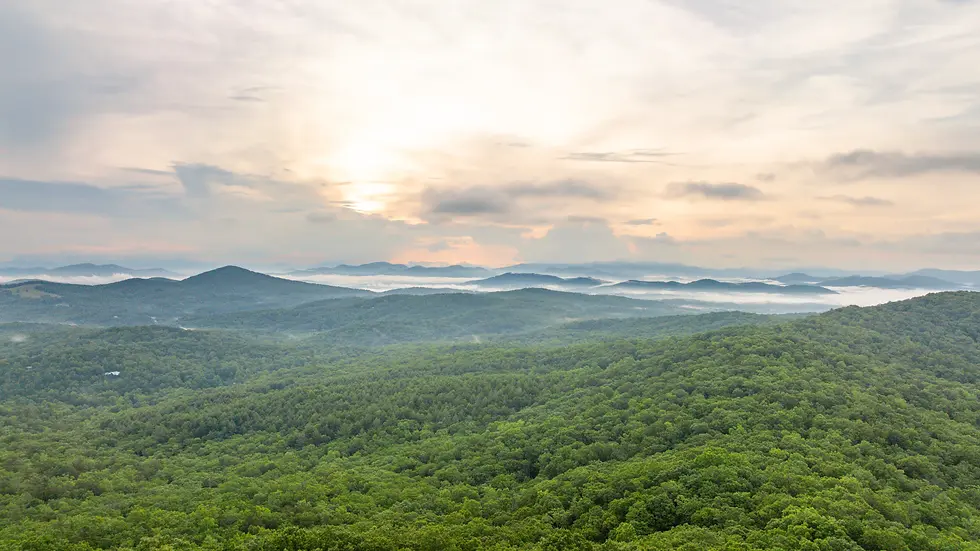
North Georgia's Blue Ridge Mountains offer year-round outdoor recreation, with Amicalola Falls State Park 14.2 miles from Morganton and Appalachian Trail access at Springer Mountain just 16.8 miles away.
Budget-conscious and zero-cost options (birdwatching, hiking, trail running) coexist with gear-intensive pursuits (rock climbing, sailing) so there is an accessible entry point for every traveler.
Leave No Trace principles are essential for preserving natural areas, yet are absent from most outdoor activity guides, giving practitioners a real responsibility to plan sustainably.
Seasonal planning dramatically improves the outdoor experience: fall foliage peaks in mid-October in North Georgia, while summer months offer the widest range of water-based activity options.
Table of Contents
What Are Some Good Outside Activities for Every Type of Traveler?
What Are 5 Common Recreational Activities and Why Do They Endure?
What Are the Best Seasonal Outdoor Activities by Time of Year?
How Do You Choose the Right Outdoor Activity for Your Skill Level?
What Outdoor Activities Are Available Near Morganton, Georgia?
The appeal of outdoor recreation has only intensified in 2026. Rural and nature-based destinations in Georgia, including the North Georgia mountains, are experiencing sustained traveler preference shifts away from urban centers, with rural lodging revenue growing 1.1% in 2026 according to the UGA Extension 2026 Georgia Agritourism, Hospitality, and Travel Forecast. Visitors are not just passing through natural areas anymore. They are planning entire trips around them.
This guide covers the full spectrum: from the 10 classic outdoor games to advanced pursuits like rock climbing and whitewater rafting, with a dedicated section on seasonal planning, a beginner-to-expert difficulty matrix, gear basics, and Leave No Trace sustainability principles that most outdoor guides completely skip. Whether you are planning a long weekend in the mountains or simply looking to spend more time outside this year, the sections below give you a clear, practical roadmap. For more outdoor activities inspiration and regional guides, our blog covers the full range of Blue Ridge recreation options.
What Are Examples of Outdoor Activities?
Outdoor activities are recreational pursuits conducted in natural or open-air settings, encompassing land, water, and aerial environments. According to the Outdoor Recreation FAQs published by The Wilderness Society, outdoor recreation broadly divides into adventure sports, nature observation, fitness activities, and social play. Wikipedia's outdoor recreation entry lists more than 80 distinct activities, including emerging hybrid forms like coasteering, canyoning, river trekking, fastpacking, and plogging.
Here are the major categories with representative examples in each:
Category | Examples | Skill Entry Point |
Trail and land activities | Hiking, trail running, mountain biking, rock climbing | Beginner to expert |
Water-based activities | Kayaking, paddleboarding, whitewater rafting, sailing, snorkeling | Beginner to expert |
Winter sports | Skiing, snowboarding, snowshoeing, ice skating | Beginner to expert |
Nature observation | Birdwatching, wildlife photography, stargazing, nature journaling | Beginner |
Adventure and thrill | Zip lining, spelunking, skydiving, bungee jumping, paragliding | Intermediate to expert |
Family and social play | Geocaching, yard games, scavenger hunts, picnicking, nature crafts | Beginner |
Equestrian and field | Horseback riding, archery, orienteering, field sports | Beginner to intermediate |
Archery is one of the oldest outdoor sports on record. The Babylonians used bows and arrows for combat as early as 2340 BC, making it a practice with over four millennia of human history. On the modern end of the spectrum, stand-up paddleboarding (SUP) requires only a board and paddle to begin, plus a recommended safety vest, making it one of the most accessible water sports available today.
The breadth of the category is its greatest strength. A 70-year-old birder and a 25-year-old whitewater kayaker are both pursuing outdoor activities, just with entirely different gear lists, risk profiles, and physical demands. Understanding which subcategory fits your current fitness level and interests is the first step toward building a sustainable outdoor practice. Our complete travel guide to North Georgia's Blue Ridge Mountains is a useful companion for mapping activities to the regional landscape.

What Are Some Good Outside Activities for Every Type of Traveler?
Good outside activities are those that match your fitness level, available equipment, time commitment, and the natural environment around you. For travelers visiting North Georgia's mountains, the options include trail hiking, lake fishing, kayaking, birdwatching, waterfall photography, and stargazing, all accessible within 30 minutes of Morganton, GA. For families with young children, zero-cost backyard activities like nature scavenger hunts, bug hunts, and outdoor art projects require no gear and no planning.
Here is a breakdown by traveler type, with specific recommendations rather than vague suggestions:
For couples seeking a relaxed outdoor experience: Start with a sunrise hike to a scenic overlook, then transition to a paddleboard session on a mountain lake. The Chestatee River Recreation Area is 4.2 miles from the Soaring Eagle GA cabin, roughly a 10-minute drive, and offers calm water stretches suitable for beginners. End the evening at the fire pit with a clear mountain sky above you. On nights with low humidity and no moon, the Milky Way is visible to the naked eye at 2,700-foot elevations. Couples looking for the perfect mountain retreat may also enjoy browsing Georgia S Most Romantic Log Cabin Getaways With Hot Tubs for accommodation inspiration.
For families with kids: Geocaching is an underrated gateway activity. It combines GPS navigation with treasure hunting, keeps children engaged for 2-3 hours, and costs nothing beyond a free app download. The Sawnee Mountain Preserve, 7.3 miles from Morganton, has well-marked family trails with modest elevation gains, making it ideal for children under 10. You can also find detailed trail information in the Sawnee Mountain Trail Guide: Beginner to Advanced Hiking before planning your visit. Follow the hike with a nature craft session: collecting leaves, pinecones, and small stones for a nature mobile at the cabin. The step-by-step nature mobile guide from Artful Parent is worth bookmarking before the trip.
For solo nature enthusiasts: Birdwatching delivers surprising depth. The Cornell Lab of Ornithology's Nature Journaling and Field Sketching course is a practical starting point for developing observational skills. Birdwatching competitions exist where participants compete to identify the most species globally, and even casual birders find that keeping a species list turns a morning walk into a satisfying ongoing project.
For thrill seekers: Whitewater rivers are classified by difficulty on a scale from level one to level six, with level six designated as the most dangerous and generally non-navigable. North Georgia's Toccoa River offers level one and level two stretches ideal for beginners, while the Nantahala Gorge in western North Carolina, roughly 90 minutes from Morganton, provides level three and four rapids for experienced paddlers. If you want a cabin base close to the water, our guide to toccoa river cabin rentals covers the best options along that corridor.
What Are the 10 Outdoor Games Worth Playing as an Adult?
Outdoor games are structured, often competitive recreational activities played in open-air settings, distinct from sports primarily because they emphasize social participation over athletic performance. The 10 outdoor games most consistently enjoyed by adults combine easy setup with genuine strategic depth, making them suitable for cabin decks, campgrounds, and backyards alike. No expensive gear is required for most of them.
Cornhole: Two boards, eight bags, and a flat surface. Cornhole scales from casual to tournament-level quickly and travels easily in a bag that fits in any car trunk.
Bocce ball: One of the oldest outdoor games in European history, bocce requires a level surface and rewards precision over strength. A quality resin set runs $25-60 and lasts for years.
Kan Jam: A flying disc game played in teams of two, Kan Jam fits on any flat outdoor surface and produces competitive games in under 20 minutes.
Horseshoes: Classic, low-cost, and genuinely competitive. Regulation horseshoe stakes are set 40 feet apart, but casual players typically shorten the distance to 25-30 feet.
Archery: More accessible than most adults expect. Basic recurve bows and target sets start around $80-120, and the activity scales into a serious skill practice. Its 4,000-year history makes it one of the most enduring outdoor pursuits humans have ever practiced.
Capture the Flag: Requires zero equipment beyond two colored flags and enough outdoor space to run. Ideal for groups of six or more in a wooded or open-field setting.
Frisbee Golf (Disc Golf): Disc golf courses are free to play in most public parks, and a starter set of three discs costs $20-30. The game takes 2-3 hours for a standard 18-hole round.
Kubb: A Swedish lawn game involving wooden blocks and throwing batons. Kubb rewards strategy and spatial thinking, and a solid hardwood set handles outdoor conditions for seasons.
Ladder Toss: Compact, portable, and playable on grass, sand, or a cabin deck. The bolo throwing mechanic creates a skill curve that keeps it engaging beyond the first game.
Geocaching: A GPS-based treasure hunt with over three million active caches worldwide. Geocaching bridges the gap between a traditional outdoor game and a genuine hiking adventure, often leading participants to viewpoints and natural features they would never have found otherwise.
For cabin stays specifically, cornhole, bocce, and ladder toss store compactly and set up in under five minutes on a wraparound deck. On a clear evening with a mountain view as the backdrop, even the most reluctant outdoor participant tends to stay outside longer than planned. For more ideas on making the most of your stay, see our guide to best things to do near Morganton, GA.

What Are 5 Common Recreational Activities and Why Do They Endure?
The five most common recreational outdoor activities are hiking, fishing, cycling, swimming, and birdwatching, based on consistent participation data across national surveys. These activities endure not because they are the most exciting options available, but because they are accessible, low-barrier, and deeply restorative. Each one delivers measurable physical and mental health benefits, requires minimal or no paid access, and scales from casual to serious without forcing participants into expensive gear upgrades.
1. Hiking is the most broadly practiced outdoor activity in North America. It requires nothing more than appropriate footwear and a trail map. In North Georgia, the trail system surrounding Morganton includes access to Amicalola Falls State Park 14.2 miles away, Sawnee Mountain Preserve at 7.3 miles, and the Appalachian Trail's southern terminus at Springer Mountain just 16.8 miles from the cabin. The elevation change on the 8.5-mile approach trail from Amicalola Falls to Springer Mountain makes it one of the most rewarding day hikes in the state for experienced walkers. For a full skill-level breakdown of the regional trail options, the guide to Blue Ridge Mountain hikes ranked by views covers each trail honestly, including the ones that disappoint. Hikers planning their first visit may also find the Fall Branch Falls Blue Ridge: Complete Hiker's Guide (2026) a useful addition to their trail research. For stunning waterfall destinations across the region, the Waterfall Hikes of North Georgia: Trail Conditions, Fees & Photo Tips is an essential planning resource.
2. Fishing draws participants across every age group and income level. North Georgia's mountain lakes and rivers support trout, bass, and walleye populations, with Lake Arrowhead just 2.1 miles from the Soaring Eagle GA cabin (about 5 minutes by car) offering accessible shoreline fishing. Ernest Hemingway, one of history's most famous outdoor enthusiasts, was a record-holding trophy fisherman, photographed with marlins caught on a 1935 trip to Bimini. The activity scales from a $20 cane pole to a fully equipped fly-fishing setup costing thousands, but the core experience remains identical. If a dedicated waterfront base appeals to you, our guide to fishing cabin options in North Georgia covers properties where trout access is the main draw. For comprehensive lake information, Everything You Need To Know About Blue Ridge Lake In Ga covers access points, seasonal conditions, and what to expect on the water. You can also browse Lake Blue Ridge Activities - Blue Ridge Mountains for additional water recreation options and visitor resources.
3. Cycling and mountain biking offer the widest geographic range of any human-powered outdoor pursuit. Mountain bikes use aluminum frames to keep them lightweight and stiff, and the discipline divides into six styles: all mountain, downhill, trials, dirt jumping, trail riding, and cross country, with trail riding and cross country being the most commonly practiced. West Virginia's Monongahela National Forest features a 34-mile ridgeline trail designated as an "Epic" route by mountain biking standards, representing the top tier of the activity's challenge scale.
4. Swimming in natural water remains one of the most universally appealing outdoor activities precisely because it requires no equipment and serves both the casual and the athletic. Lake Arrowhead and the Chestatee River, both within 10 minutes of Morganton, offer natural swimming access during warmer months.
5. Birdwatching is the fastest-growing nature observation activity globally. Birdwatching competitions now exist at a global level, where participants compete to identify the most species within a set timeframe. The Cornell Lab of Ornithology's All About Birds Academy offers structured education for beginners who want to move beyond casual observation into genuine expertise.
What Are the Best Seasonal Outdoor Activities by Time of Year?
The best seasonal outdoor activities vary by climate zone, but in North Georgia's Blue Ridge Mountain region, each season offers a distinct and genuinely different experience. Most outdoor guides skip seasonal specificity entirely, listing the same activities year-round with no guidance on timing. That approach fails travelers who want to optimize their trip. Here is an honest, month-by-month breakdown for the North Georgia mountain zone.
Spring (March through May): Wildflower season begins in earnest by late March at lower elevations and climbs the ridgelines through April. Trillium, bloodroot, and wild azalea create visible color along shaded trail margins. Waterfall flows peak in March and April due to snowmelt and rain accumulation. Amicalola Falls, at 729 feet the tallest cascading waterfall east of the Mississippi River, runs at its most dramatic during this window. The downside: spring also brings heavy pollen from pine and oak trees, which peaks in April. If you have pollen sensitivities, plan outdoor activity for afternoons when pollen counts drop.
Summer (June through August): Water-based outdoor activities dominate summer planning. Kayaking, paddleboarding, tubing, and lake swimming are all viable from June through August. The Chestatee River Recreation Area, 4.2 miles from the cabin, provides accessible river access. Hiking is best done before 10 AM to avoid afternoon heat and humidity. The 25 Blue Ridge Mountain activities guide includes specific water activity recommendations with drive times from the region. Travelers planning a summer stay can also explore Blue Ridge Cabin Rentals With Hot Tub Peak Season Guide 2026 for timing and availability details.
Fall (September through November): This is the flagship season for North Georgia outdoor recreation. Foliage in the Blue Ridge region typically peaks in the second and third weeks of October, with red maples and golden hickories coloring the northern-facing slopes first. The Blue Ridge Mountain Life weekly fall color update tracks foliage progression in real time, which is worth bookmarking for trip timing. For advance seasonal planning, the Blue Ridge Mountain rentals seasonal planning guide breaks down peak windows by month. You can also check the Blue Ridge Parkway fall color webcams for live foliage conditions before your trip. Hiking trail crowds are manageable on weekdays but heavy on October weekends. Go before 8 AM or after 4 PM for the best experience without the parking lot chaos. Visitors planning a fall cabin stay can find ideal options through 8 Blue Ridge Parkway Cabin Locations That Put You Minutes From Iconic Drives.
Winter (December through February): Snowshoe hiking becomes viable during cold snaps, and the experience of a snow-covered ridgeline in North Georgia is genuinely dramatic. More practically, winter is the best season for fire pit evenings, fireside reading, and hot tub soaking under clear skies with exceptional star visibility. Light pollution is minimal at 2,700 feet, and winter air clarity makes stargazing superior to any other season. Mountain roads can be steep and slick during ice events, so four-wheel drive is strongly recommended for January and February visits. A cabin with a wood burning fireplace makes winter mountain stays especially comfortable after cold-weather trail time. For timing your visit across any season, When To Visit The Blue Ridge Parkway Insider Tips For Every Season And Fewer Crowds provides detailed guidance on crowds and conditions. Winter cabin seekers will also appreciate the cozy options featured in Mountain Cabin Hot Tub Your Complete Guide To Alpine Luxury.
What Are the Health Benefits of Outdoor Activities?
Outdoor activities deliver measurable physical and mental health benefits that indoor exercise cannot fully replicate. The research compiled in Green Exercise: Linking Nature, Health and Well-being (Routledge, 2016), edited by Jo Barton, Rachel Bragg, Carly Wood, and Jules Pretty, documents that exercising in natural environments produces greater reductions in cortisol, blood pressure, and self-reported stress than equivalent exercise indoors. The outdoor environment itself contributes to the benefit, not just the physical exertion.
The California Department of Parks has published a dedicated report, "The Health and Social Benefits of Recreation," documenting physical benefits including cardiovascular health, reduced obesity risk, and improved immune function alongside social benefits including community cohesion and reduced antisocial behavior. The Better Health Channel's guidance on physical activity from Australia's government health system reinforces these findings across population groups.
Specifically, research cited by The Wilderness Society and referenced in the academic literature identifies five primary health outcomes from regular outdoor recreation:
Cortisol reduction: Exposure to green environments consistently lowers cortisol, the primary stress hormone, even in relatively short sessions of 20-30 minutes.
Improved cardiovascular health: Hiking and trail activities elevate heart rate in a sustained, low-impact way that benefits long-term cardiovascular function.
Enhanced mood and reduced anxiety: Nature exposure is associated with reduced rumination and improved emotional regulation, according to neuroscience research cited in the green exercise literature.
Better sleep quality: Physical activity in natural light environments reinforces circadian rhythm, improving sleep onset and duration.
Social connection: Group outdoor activities strengthen social bonds more effectively than equivalent indoor social experiences, a finding documented in the California Parks report.
Outdoor education programs at universities have been shown in multiple studies to benefit student well-being and reduce stress levels, with programs like Maverick Adventures at Minnesota State University offering organized outdoor recreation including rock climbing walls, ropes courses, and guided trip programming specifically designed around these outcomes. The UK House of Commons Education and Skills Committee also supports outdoor education, particularly for developing social skills in harder-to-reach children, which indicates the benefits extend well beyond adult recreational participants.

How Do You Choose the Right Outdoor Activity for Your Skill Level?
Choosing the right outdoor activity for your skill level means matching the activity's physical demand, required gear investment, and learning curve to your current fitness, experience, and available time for preparation. Most beginners make the same mistake: they jump to an intermediate-level activity without the foundational skills or gear, have a difficult or unsafe experience, and then avoid that category entirely. A simple difficulty matrix prevents this.
Beginner outdoor activities (zero prior experience, minimal gear required): hiking on marked trails, birdwatching, geocaching, nature photography, picnicking, kayaking on flat water, cycling on paved paths, swimming in designated areas, yard games, and stargazing. These activities deliver immediate satisfaction without a skill gap.
Intermediate outdoor activities (some prior experience or brief instruction needed): mountain biking on unpaved trails, fly fishing, stand-up paddleboarding in moving water, zip lining with a guide, horseback riding, rock climbing on beginner routes, and kayaking on class 1-2 rivers. Stand-up paddleboarding requires only a board and paddle to begin, but balance practice on flat water before moving to current is strongly recommended.
Advanced outdoor activities (technical skills, specialized gear, and often professional guidance required): rock climbing on multi-pitch routes, whitewater rafting on class 3-5 rivers, backcountry skiing, spelunking in wild caves, and high-altitude trekking. Rock climbing at this level requires rope, harness, belay device, climbing shoes, helmet, and chalk as a minimum gear set. Spelunking requires ropes, headlamps, kneepads, and gloves. Never attempt either without formal instruction first.
The honest beginner's roadmap: spend your first season doing only beginner activities. Get comfortable with physical exertion in natural environments, learn basic navigation, and build familiarity with local terrain and weather patterns. Your second season is soon enough to introduce one intermediate activity with a guide or structured lesson. This progression prevents the most common outdoor injury scenario, which is overconfidence on technically demanding terrain without adequate preparation.
For North Georgia specifically, the complete guide to things to do in Morganton, Georgia organizes local activities by difficulty and season, which saves the research step if you are planning a cabin trip to the region. You can also review our frequently asked questions page for practical planning details about the property and surrounding area.
What Gear Do You Need for Common Outdoor Activities?
Outdoor activity gear requirements vary dramatically by activity type, with some pursuits requiring only basic clothing and footwear while others demand hundreds or thousands of dollars in specialized equipment. The table below covers the most commonly practiced outdoor activities with their minimum viable gear list and approximate entry-level cost range. These are starting points, not comprehensive kits.
Activity | Minimum Gear | Entry Cost Range |
Day hiking | Trail shoes, daypack, water, map or GPS app | $60-150 |
Mountain biking (trail riding) | Aluminum frame MTB, helmet, gloves | $400-900 |
Kayaking (flat water) | Kayak, paddle, PFD, dry bag | $300-700 (rental: $30-60/day) |
Stand-up paddleboarding | Board, paddle, safety vest | $400-800 (rental: $25-50/hour) |
Rock climbing (indoor/beginner) | Rope, harness, belay device, shoes, helmet, chalk | $250-450 |
Birdwatching | Binoculars, field guide or app | $50-200 |
Spelunking (wild caving) | Ropes, headlamps, kneepads, gloves, helmet | $200-400 |
Whitewater rafting (guided) | Guided tour provides gear; bring water shoes | $45-90 per person (guided trip) |
Snowshoeing | Snowshoes, poles, insulated boots, gaiters | $150-350 (rental: $15-30/day) |
Archery | Recurve bow, arrows, target, arm guard | $80-150 |
Renting before buying is the right approach for any activity you have not tried before. Kayak and SUP rentals are widely available near North Georgia lakes and rivers, and whitewater rafting outfitters provide all technical gear as part of their guided trip cost. Commit to gear purchases only after you have done an activity three or more times and confirmed it fits your lifestyle.
One gear note that most guides miss: footwear is the single most impactful gear purchase for trail-based activities. Ill-fitting trail shoes cause blisters, ankle rolls, and knee pain that end trips early. Budget $100-150 for trail shoes at a minimum and get fitted at a specialty running or hiking retailer rather than buying online based on size alone.
How Do You Enjoy Outdoor Activities Sustainably?
Enjoying outdoor activities sustainably means following Leave No Trace principles and minimizing your environmental footprint so natural areas remain accessible and intact for future visitors. Leave No Trace is a set of seven evidence-based guidelines developed for outdoor recreation contexts, covering everything from campfire practices to wildlife interaction. This topic is almost entirely absent from competing outdoor activity guides, yet it is one of the most common concerns expressed by experienced outdoor enthusiasts in 2026.
The seven Leave No Trace principles are:
Plan ahead and prepare: Research regulations for the specific area before visiting. National parks, state parks, and national forests each have different rules about camping, fires, and off-trail travel. The Blue Ridge Parkway National Park Service site maintains current conditions, closures, and permit requirements.
Travel and camp on durable surfaces: Stay on designated trails and established campsites. Vegetation alongside trails, particularly in alpine and subalpine zones, takes decades to recover from trampling.
Dispose of waste properly: Pack out all trash, food scraps, and hygiene products. Human waste should be buried in a cathole 200 feet from water sources, trails, and campsites when no facility is available.
Leave what you find: Do not remove plants, rocks, artifacts, or natural objects. This applies specifically to wildflower areas, which are under increasing pressure from social-media-driven visitor traffic.
Minimize campfire impacts: Use established fire rings, keep fires small, burn wood to ash completely, and never build fires during dry conditions or burn bans. Fire pits at cabin properties like Soaring Eagle GA provide a responsible, contained alternative to open campfires on public land.
Respect wildlife: Maintain a safe distance from wildlife, never feed animals, and store food properly. In North Georgia's mountains, black bears are present and active, particularly in fall when they are building fat reserves.
Be considerate of other visitors: Yield the trail to uphill hikers, keep noise levels appropriate for the setting, and avoid playing amplified music on shared trails.
On the gardening and ecological side of outdoor activities, the WWF's guide to planting a native garden demonstrates how even home-based outdoor activities like gardening can actively support local wildlife populations rather than simply coexisting with them. Native plant gardens support pollinators, songbirds, and beneficial insects at a level that non-native ornamental plantings cannot match.
The ERIC academic database's resource on outdoor recreation definitions and terminology provides a useful framework for understanding how sustainability intersects with different categories of outdoor recreation, particularly for educators and program planners.
What Outdoor Activities Are Available Near Morganton, Georgia?
Morganton, Georgia serves as a genuine base camp for some of the best outdoor recreation in the Southeast, with hiking, fishing, kayaking, waterfall exploration, mountain biking, and stargazing all accessible within a 35-minute drive. The town sits in Fannin County at the edge of the Blue Ridge Mountains, positioned between major natural features including Amicalola Falls State Park, the Appalachian Trail's southern terminus, and Lake Arrowhead. As of 2026, North Georgia's outdoor recreation scene continues to attract a growing visitor base, with rural lodging demand in the region rising steadily according to the UGA Extension travel forecast. For a full overview of available properties, Blue Ridge Mountain Vacation Rentals That Never Disappoint covers the strongest options across the region.
Here is what is available by distance from the Soaring Eagle GA cabin in Morganton:
Lake Arrowhead (2.1 miles, about 5 minutes): Fishing, kayaking, and swimming in a protected mountain lake setting. Shoreline access for both powered boats and non-motorized watercraft.
Chestatee River Recreation Area (4.2 miles, about 10 minutes): River kayaking, tubing, and fishing along one of North Georgia's most accessible mountain rivers. Bring your own equipment or rent locally.
Sawnee Mountain Preserve (7.3 miles, about 16 minutes): Family-friendly hiking on well-maintained trails with moderate elevation gain. The Indian Seats Trail leads to a summit with 360-degree views and is suitable for ages 8 and up.
Dahlonega Town Square (12.4 miles, about 25 minutes): The starting point for Georgia Wine Highway tastings and the headquarters of multiple guided outdoor tour operators. The town also hosts the annual Gold Rush Days festival, typically held in October.
Amicalola Falls State Park (14.2 miles, about 28 minutes): The 8.5-mile approach trail to Springer Mountain begins here, making it the entry point to the Appalachian Trail for southbound thru-hikers. The falls themselves, at 729 feet, are worth visiting as a standalone half-day trip. Plan to arrive before 9 AM on October weekends to avoid parking congestion.
Appalachian Trail at Springer Mountain (16.8 miles, about 32 minutes): Even if you are not thru-hiking, the 1-mile summit trail from the Forest Service road gives non-technical hikers access to one of the most significant trailheads in American outdoor history.
For hikers traveling with dogs, the North Georgia trail network is generally dog-friendly with leash requirements on most maintained trails. The dog-friendly vacation rentals and trail guide for Georgia covers which trails allow dogs off-leash, which require leashes, and which have water access along the route, all critical planning details that general trail guides typically omit. If you are bringing a pet along, our pet friendly cabins in the Smoky Mountains guide covers additional options for pet-welcoming mountain stays across the region.
For a cabin that puts all of this within easy reach, the Soaring Eagle GA hot tub cabin sits at 2,700 feet with panoramic mountain views from the wraparound deck. After a full day on the trails or the water, the hot tub with its scenic overlook delivers the kind of recovery that makes tomorrow's early start feel easy. For travelers comparing accommodation options in the region, Where to Stay in the Blue Ridge Mountains: The Complete Planning Guide offers a thorough comparison across property types and budgets. When you are ready to plan your visit, you can also explore Blue Ridge For Rent Premium Mountain Cabins And Local Insights for additional cabin options and local knowledge. When you are ready to plan your visit, you can book directly on our site to secure the best available rate.
Frequently Asked Questions About Outdoor Activities
What are the easiest outdoor activities for beginners?
The easiest outdoor activities for beginners are hiking on marked trails, birdwatching, geocaching, flat-water kayaking, and cycling on paved paths. These pursuits require minimal gear investment, no prior technical training, and deliver immediate satisfaction. Hiking in particular is the most broadly accessible outdoor activity because it requires only appropriate footwear and a basic trail map to begin. North Georgia's Sawnee Mountain Preserve and Amicalola Falls State Park both offer beginner-suitable trails with parking facilities and marked route signs.
How many minutes outdoors per day are recommended for health benefits?
Research compiled in Green Exercise: Linking Nature, Health and Well-being (Routledge, 2016) indicates that even short exposures of 20-30 minutes in natural settings produce measurable cortisol reduction and mood improvement. The Better Health Channel, published by the Australian government, recommends at least 30 minutes of moderate physical activity on most days, and outdoor settings amplify those benefits compared to equivalent indoor exercise. The key finding is that the natural environment itself contributes to stress reduction independently of the physical exertion involved.
What outdoor activities can kids do without leaving the backyard?
Children can pursue nature scavenger hunts, bug hunts, outdoor art projects, stargazing, gardening, nature mobile crafting, sidewalk chalk drawing, and basic birdwatching from home. The "Our Days Outside" activity list documents 50 specific activities designed to engage kids for more than 10 minutes without leaving the yard or neighborhood. Nature mobile crafting, which involves collecting leaves, pinecones, and stones to assemble into hanging art, is particularly effective because it combines physical exploration with a creative outcome that children want to display.
What is the most dangerous outdoor activity classification?
Whitewater river difficulty is classified on a scale from level one through level six, with level six designated as the most dangerous and generally non-navigable. In technical rock climbing, multi-pitch routes and alpine climbs in exposed conditions represent the highest risk tier. Cave exploration in wild (undeveloped) cave systems also carries significant risk, requiring ropes, headlamps, kneepads, gloves, and a guide for any system beyond basic introductory caves. In North Georgia, all guided whitewater trips operate on class 1-3 rivers, which are suitable for supervised beginners.
What are the Leave No Trace principles for outdoor activities?
The seven Leave No Trace principles are: plan ahead and prepare; travel and camp on durable surfaces; dispose of waste properly; leave what you find; minimize campfire impacts; respect wildlife; and be considerate of other visitors. These guidelines apply to all outdoor recreation settings, from day hikes to multi-day backcountry trips. In North Georgia's mountain areas, the most commonly violated principle is leaving wildlife food-accessible, particularly during fall when black bear activity increases near trailheads and campgrounds.
What outdoor activities are best in fall near Blue Ridge, Georgia?
Fall in North Georgia's Blue Ridge region, specifically from late September through early November, is best for foliage hiking, waterfall photography, fishing, stargazing, and fire pit evenings. Foliage typically peaks in the second and third weeks of October, with the most dramatic color on north-facing slopes above 2,500 feet. Amicalola Falls State Park, 14.2 miles from Morganton, offers some of the most photogenic fall foliage in the state alongside one of Georgia's most impressive waterfall experiences. Arriving before 9 AM on October weekends is essential for parking access.
Is Morganton, GA a good base for outdoor recreation?
Morganton, Georgia is one of the best-positioned base camps for outdoor recreation in the Southeast. Within a 35-minute drive, visitors have access to Lake Arrowhead for fishing and kayaking, the Chestatee River for water sports, Sawnee Mountain Preserve for hiking, Amicalola Falls State Park for waterfall hiking and Appalachian Trail access, and Springer Mountain, the AT's southern terminus. As of 2026, Morganton's short-term rental market has grown 8% year-over-year according to AirDNA market data, reflecting sustained and increasing traveler demand for the area's outdoor recreation access. Our guide to where to stay in Morganton, GA covers the full range of accommodation options in and around town.
What outdoor activities pair well with a cabin stay?
Outdoor activities that pair particularly well with a mountain cabin stay include morning trail hikes followed by hot tub recovery, evening stargazing from an elevated deck, fire pit gatherings, lake kayaking as a half-day excursion, and dawn birdwatching sessions from the cabin's outdoor spaces. The practical advantage of a cabin base over a hotel is the ability to transition immediately from outdoor activity to recovery amenities without a vehicle trip. A cabin like Soaring Eagle GA in Morganton, with its wraparound deck, outdoor fire pit, and hot tub with a scenic mountain overlook, functions as both the starting point and the reward for a full day outdoors. For travelers looking to compare mountain cabin options across the region, Best Cabin Rentals: From Budget-Friendly to Luxury Mountain Retreats provides a detailed breakdown by price range and amenity set.
Your Next Step Outside
Outdoor activities cover one of the widest spectrums of human experience: from a child collecting pinecones in a backyard to an experienced alpinist navigating a technical ridgeline, every participant is pursuing the same fundamental thing. Time in natural settings, physical engagement with the world, and a temporary but real break from the built environment. The research is clear that these experiences deliver measurable health benefits. The planning frameworks in this guide give you a practical roadmap from beginner to advanced, with seasonal context, gear baselines, and sustainability principles that most outdoor guides skip entirely.
In North Georgia's Blue Ridge Mountains, the outdoor recreation calendar runs 12 months, with each season offering something the others cannot replicate. Whether your priority is fall foliage hiking, winter fire pit evenings, spring waterfall photography, or summer lake kayaking, Morganton and the surrounding Fannin County trail network delivers a genuine four-season outdoor experience within a 35-minute drive of one another. For a broader look at what the region offers, Blue Ridge hidden gems locals actually keep to themselves is a worthwhile read before your trip. Travelers who want to explore additional North Georgia Cabin Rentals Luxury Mountain Retreats For Every Season will find a range of properties suited to every travel style.

If you are planning an outdoor-focused trip to North Georgia, Soaring Eagle GA puts you at 2,700 feet with a fire pit, wraparound deck, and mountain views that make the transition from trail to relaxation feel effortless. The hot tub with its scenic overlook is exactly where you want to be after a long day on the Appalachian Trail approach. Check availability and plan your trip here.


Comments